For decades, medical dictation was the gold standard for clinical documentation. Doctors would speak into recording devices, and transcriptionists would convert audio into written notes. While effective, this process was slow, expensive, and required significant infrastructure.
The Limitations of Traditional Dictation
Traditional dictation systems had several drawbacks: turnaround times of 24-48 hours, high costs for transcription services, potential for errors in transcription, and the need for dedicated transcription staff or services.
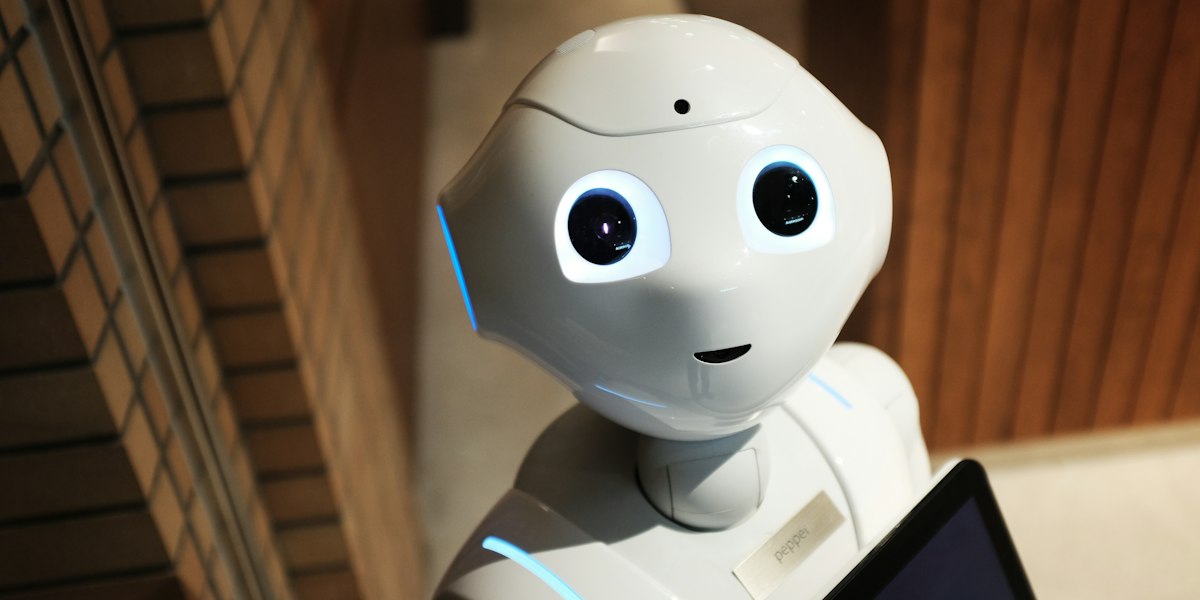
The AI Revolution
Modern AI transcription services have revolutionized medical documentation. Real-time transcription, instant note generation, and intelligent formatting have replaced the slow, manual processes of the past. AI understands medical terminology, context, and documentation standards.
Key Advantages of AI Documentation
- Real-time transcription during consultations
- Instant note generation and formatting
- Medical terminology recognition
- Speaker identification (doctor vs. patient)
- Automatic SOAP formatting
- Cost-effective compared to traditional transcription
- Available 24/7 without human transcriptionists
How It Works
AI documentation systems use advanced speech recognition trained on medical datasets. They understand context, recognize medical terms, and format information according to medical documentation standards. The entire process happens automatically, from recording to final note generation.

The Future of Medical Documentation
As AI technology continues to improve, we're moving toward even more intelligent documentation systems. Future developments may include predictive text for common medical scenarios, automatic coding for billing, and integration with diagnostic systems.
The revolution from dictation to AI documentation is complete, and healthcare professionals are reaping the benefits of faster, more accurate, and more cost-effective documentation.